The Road of Rose
the road of rose
The Road of Rose: Women Artists Group Exhibition took place in early March 2025 in Shanghai, within a four-story townhouse in Yongpingli.
Conceived around the occasion of International Women’s Day, the exhibition brought together six female artists, each occupying an individual room as a self-contained environment. Rather than forming a unified narrative, the exhibition unfolded as a sequence of distinct spatial experiences — six voices, six atmospheres, coexisting within the same architectural body.
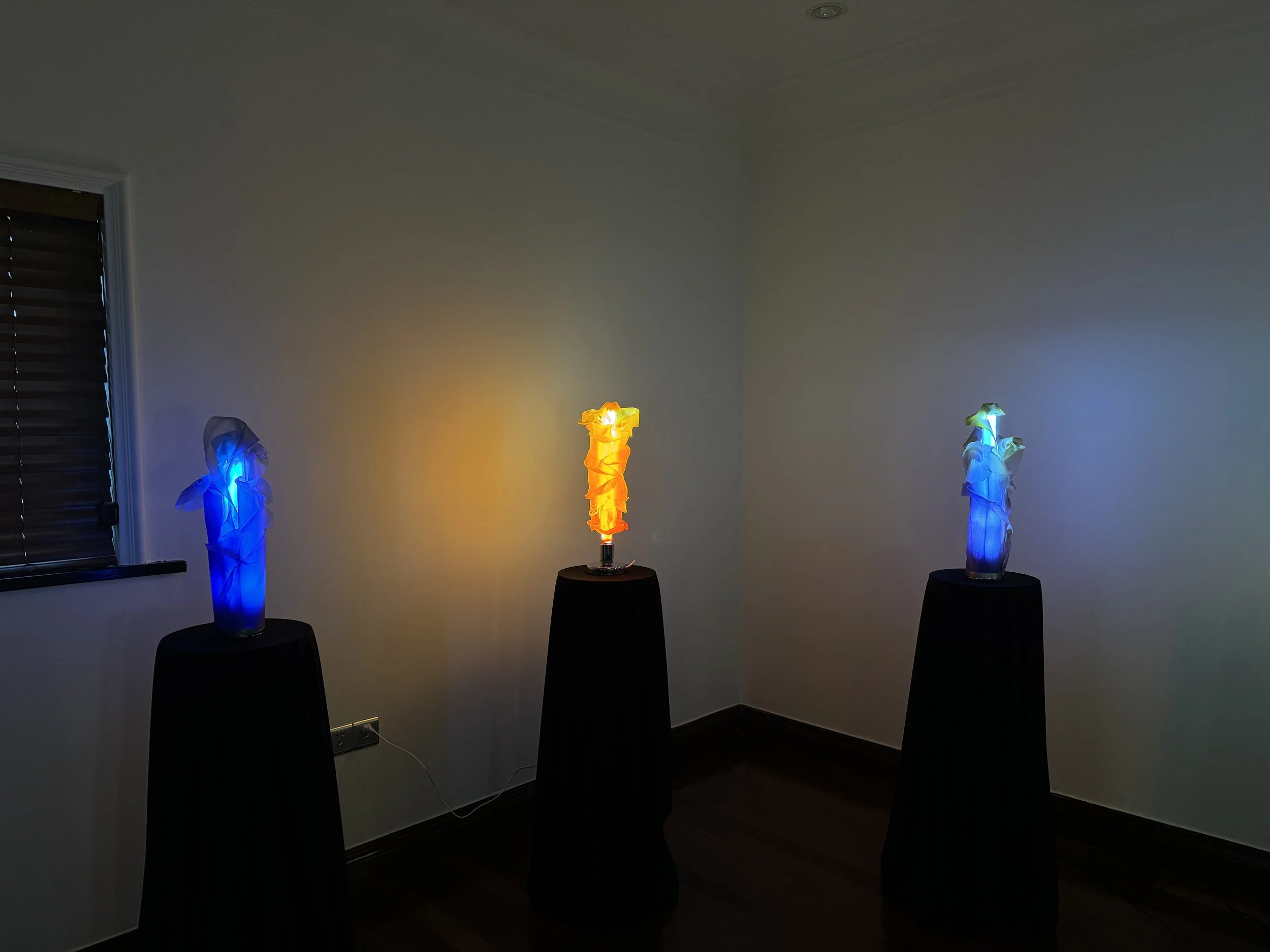
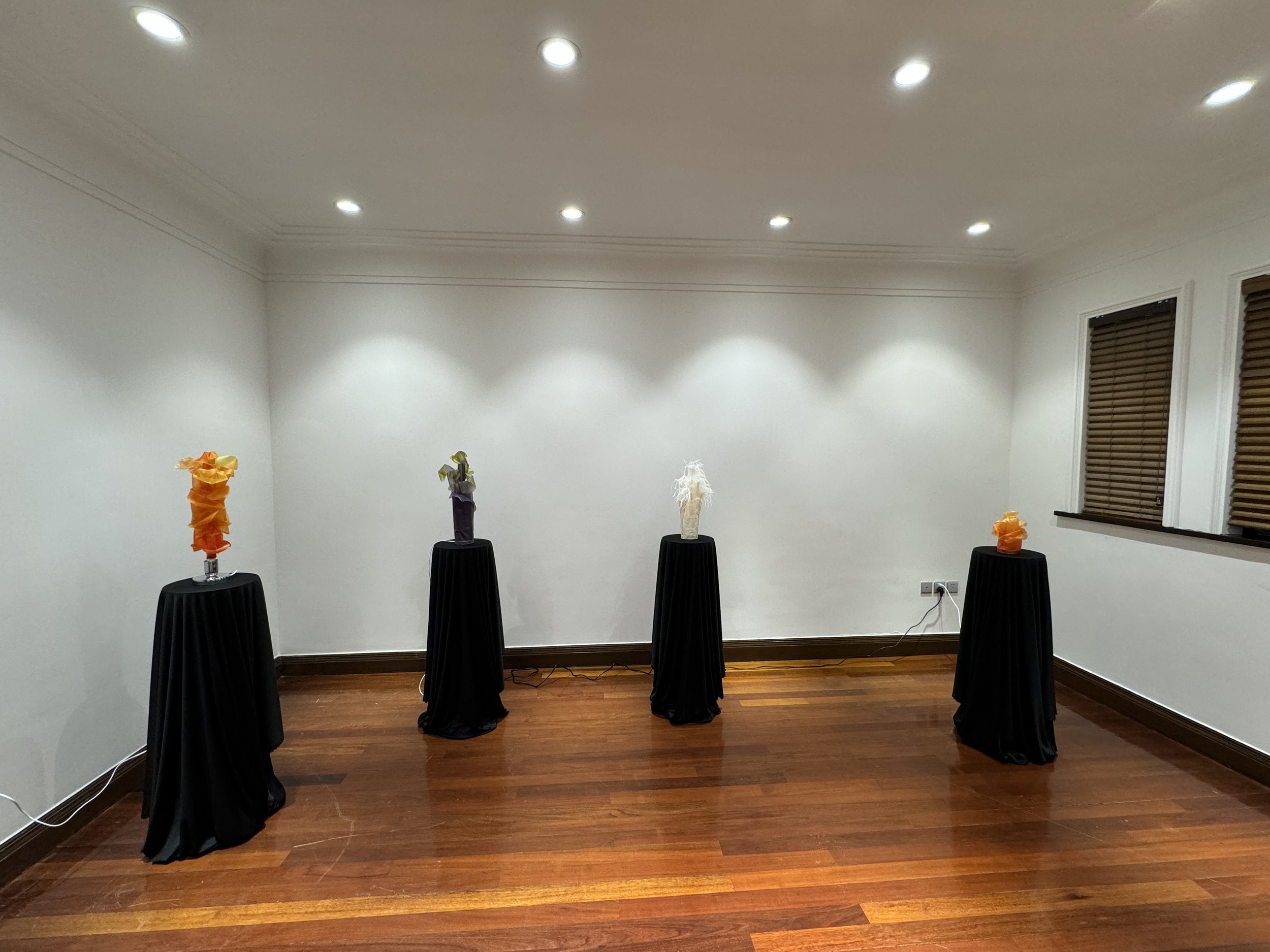
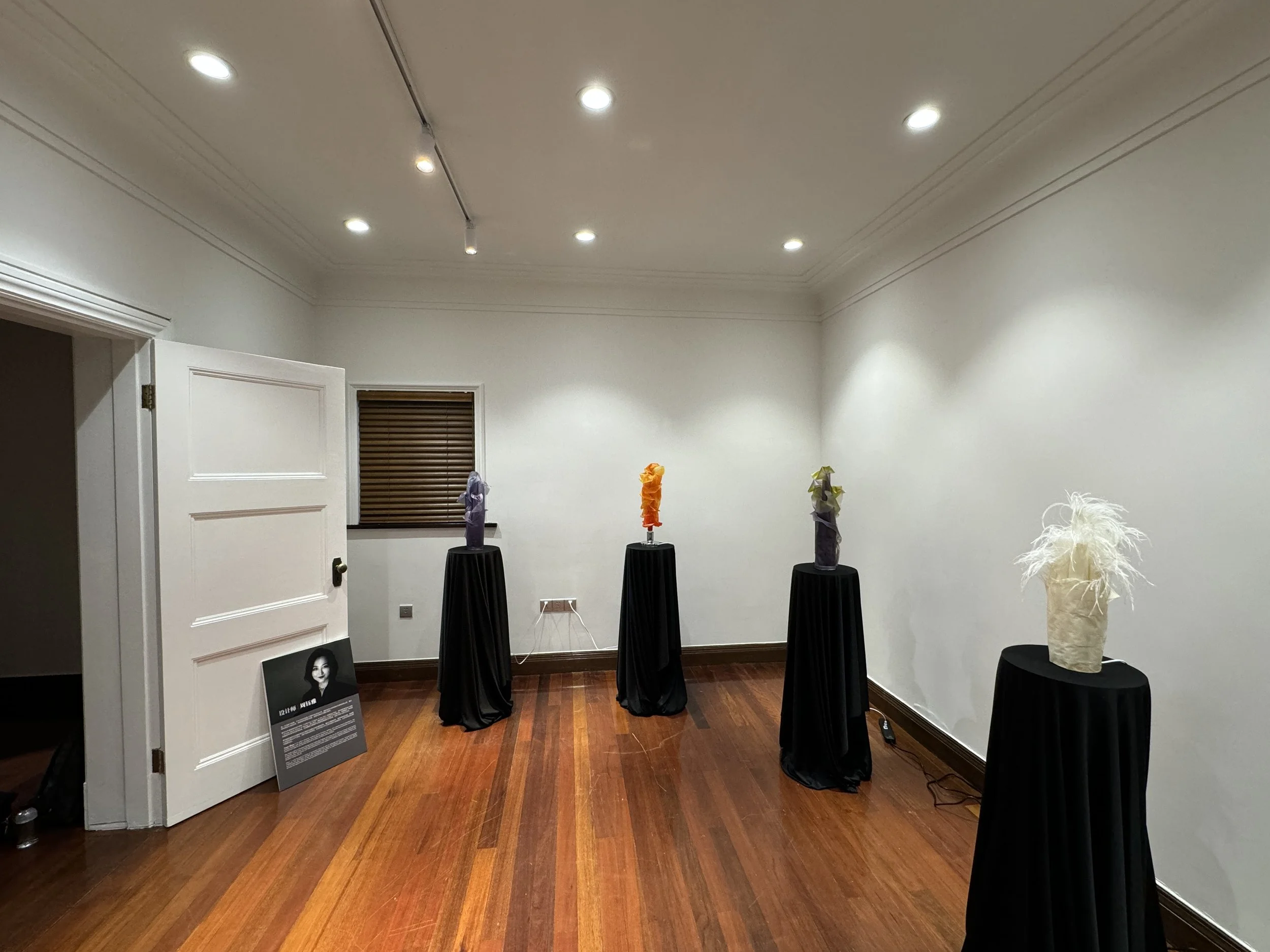
Within this context, I presented a selection of eight light-based works in bio-plastic, spanning the Peripheral, Chromatic, and Incubation series.
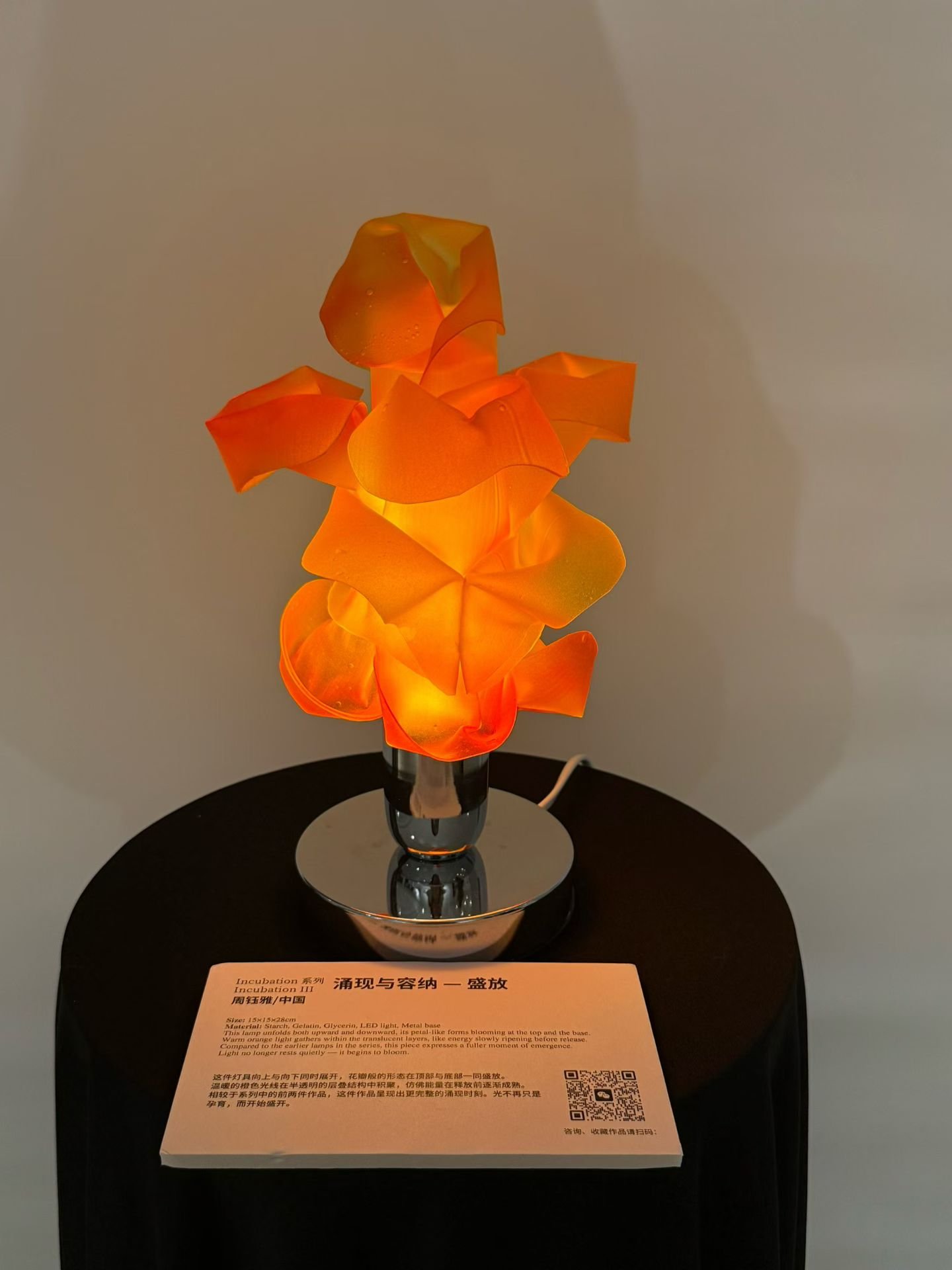
For this exhibition, the works were installed as a constellation of luminous presences within a dimly lit room.
Approaching them not as functional objects, but as perceptual entities, the installation emphasized proximity, fragility, and emotional resonance. The use of bio-plastic — a material that remains slightly unstable, sensitive, and imperfect — allowed each piece to hold a sense of vulnerability.
From a female perspective, the work does not attempt to represent the body directly, but instead engages with qualities often associated with embodied experience: softness, permeability, transformation, and the capacity to hold and release.
Light, in this context, becomes a medium of sensation rather than illumination.
The exhibition space operated as a shared yet intimate environment, where viewers were invited to slow down and remain with the works.
In contrast to fast-paced modes of viewing, the atmosphere encouraged a different kind of attention — one that is quieter, more personal, and open to interpretation.
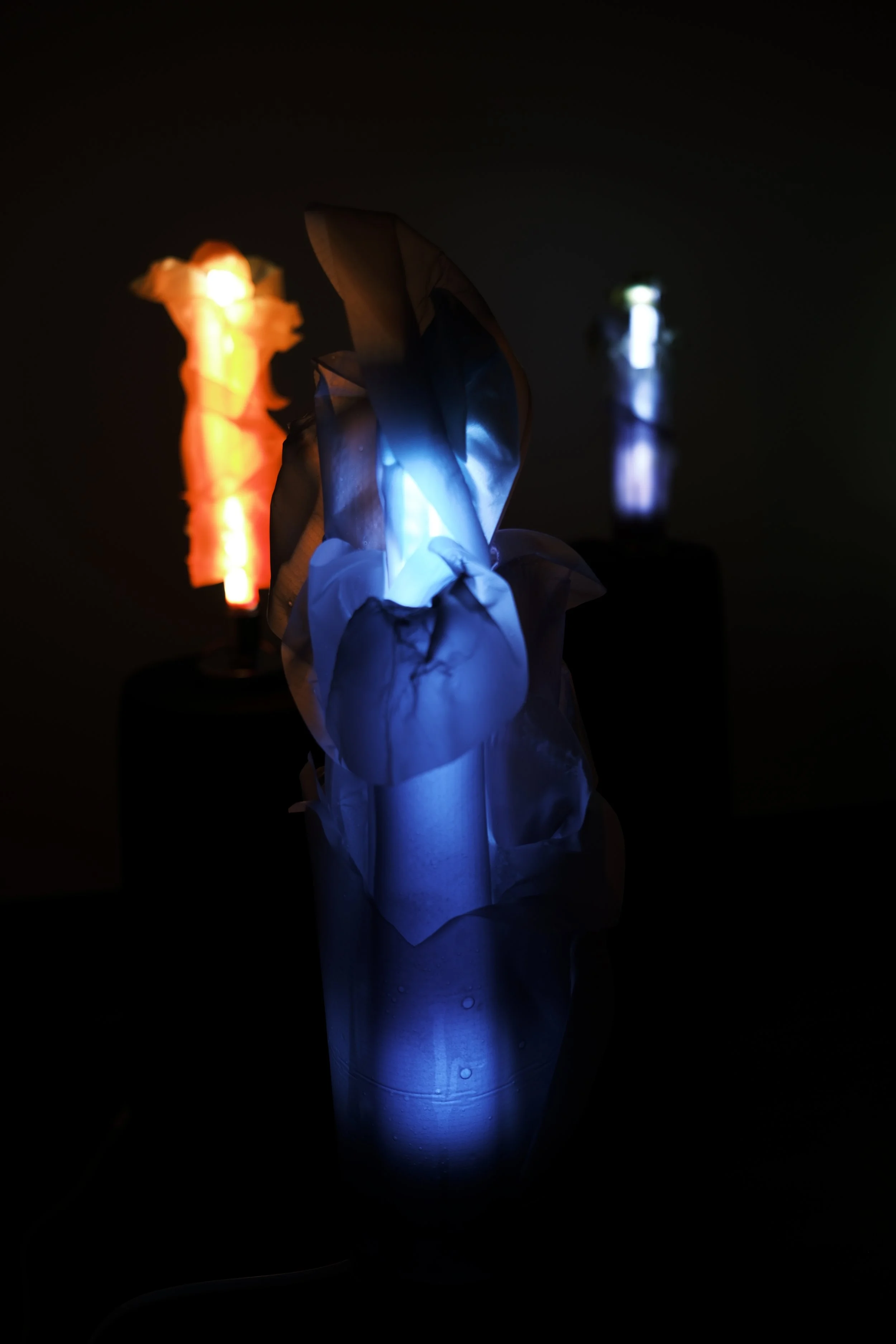
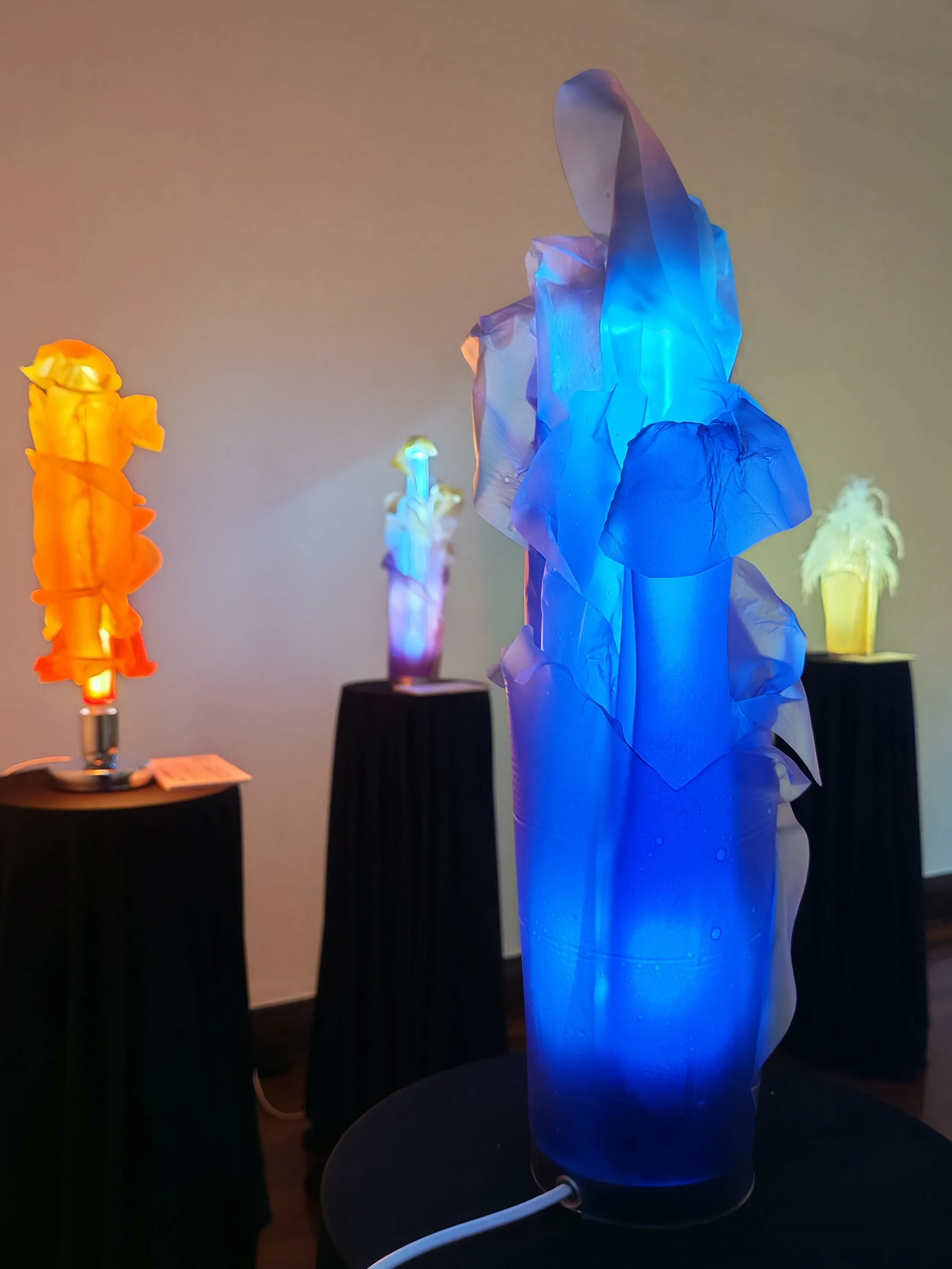
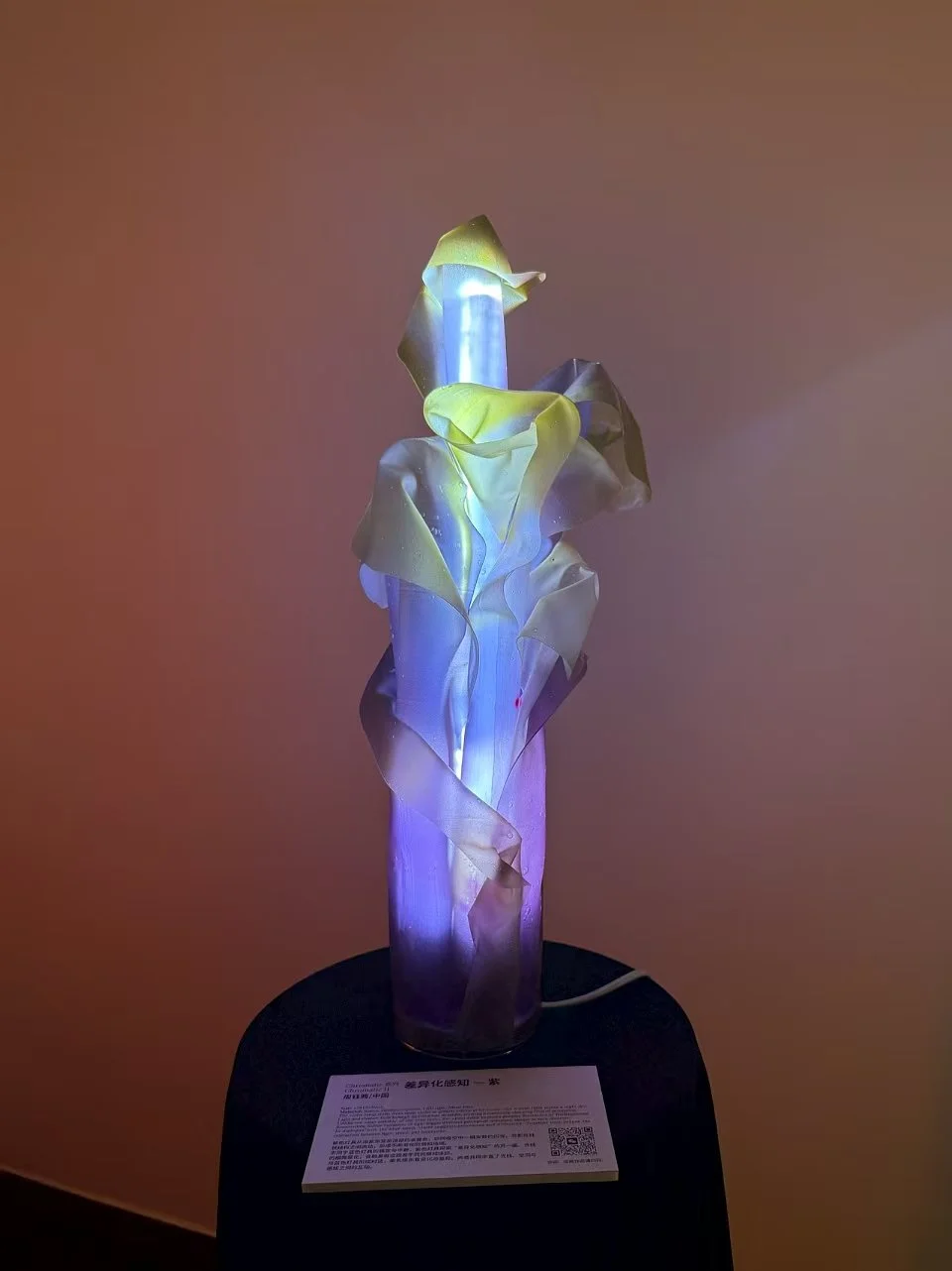
What became particularly meaningful was how the works were received and reinterpreted by visitors.
Many began to photograph the pieces from their own perspectives, capturing details, textures, and moments that extended beyond the original framing of the installation. These images, taken by viewers, reveal not only the works themselves, but also the ways in which they are seen, imagined, and emotionally processed.
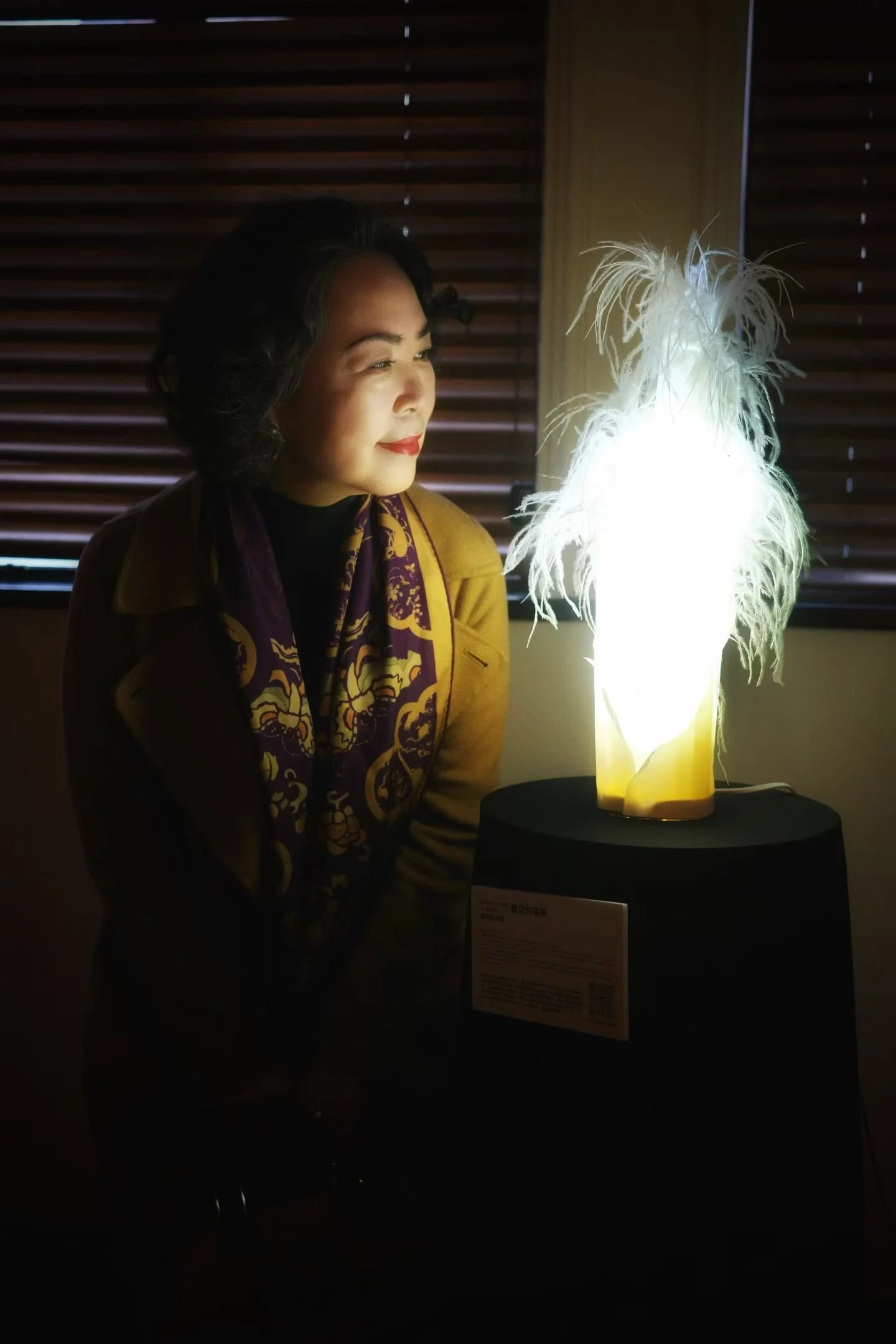
In one moment, a viewer stood quietly in front of a Peripheral piece, facing it directly.
The image she later captured carries a sense of stillness — a silent exchange between body and object, light and perception. It is in these moments that the work moves beyond its material condition and enters a more intimate, almost unspoken territory.
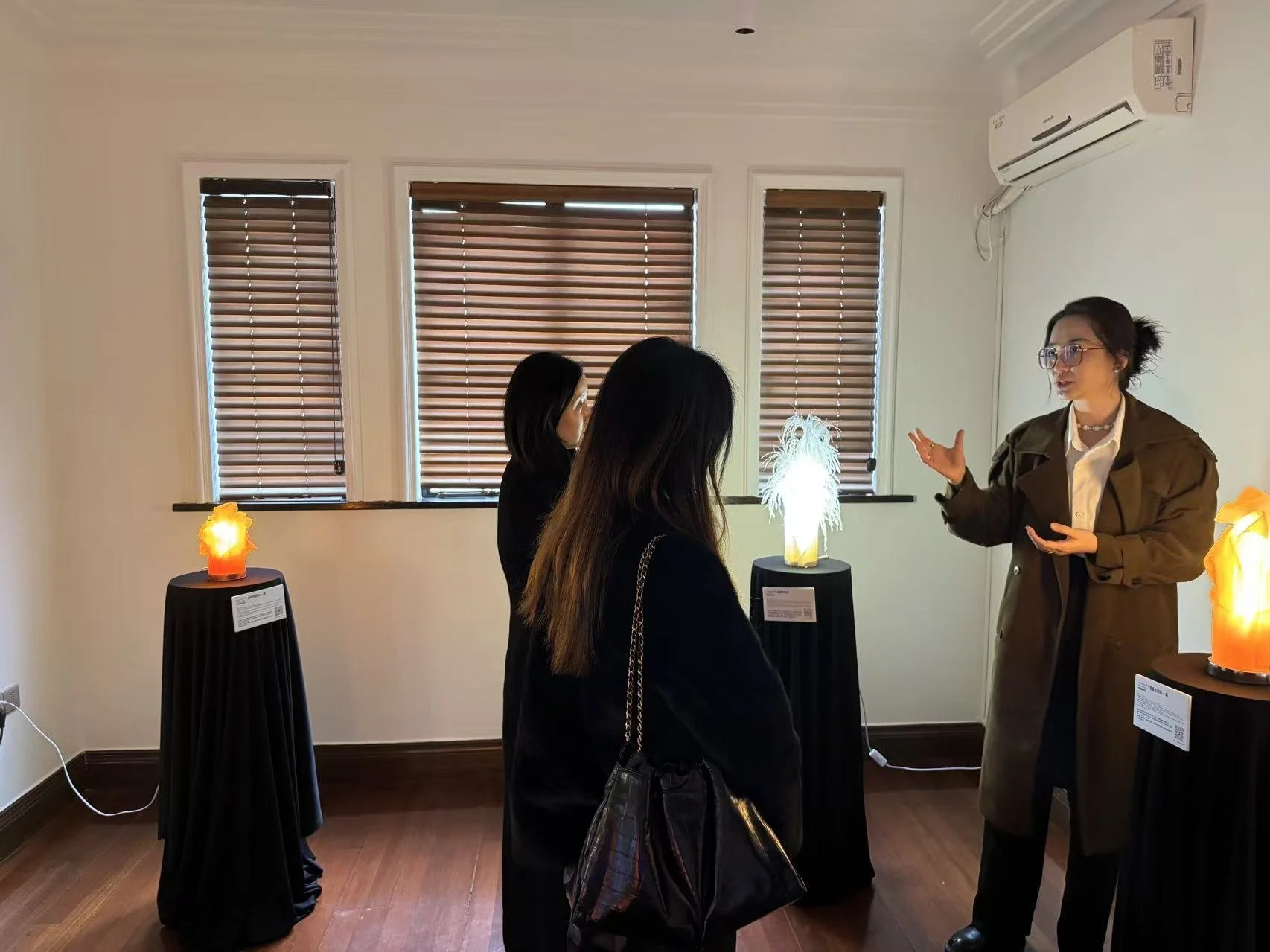
During the opening, the space gradually filled with conversations.
I have always believed that an artwork is only partially completed by its author — the other half is formed through the perceptions of those who encounter it.
This became especially evident here.
Some viewers associated the forms with flowing garments, reminiscent of the drapery of historical female figures. Others were drawn to the surface — the subtle bubbles and irregular textures — reading them as traces of a living material. There were also interpretations that connected the works to flowers, organic growth, or even specific botanical forms.
These responses did not aim for accuracy, but rather revealed a multiplicity of ways in which the work could exist.
The pieces became less fixed, and more like open structures — continuously redefined through attention, memory, and imagination.
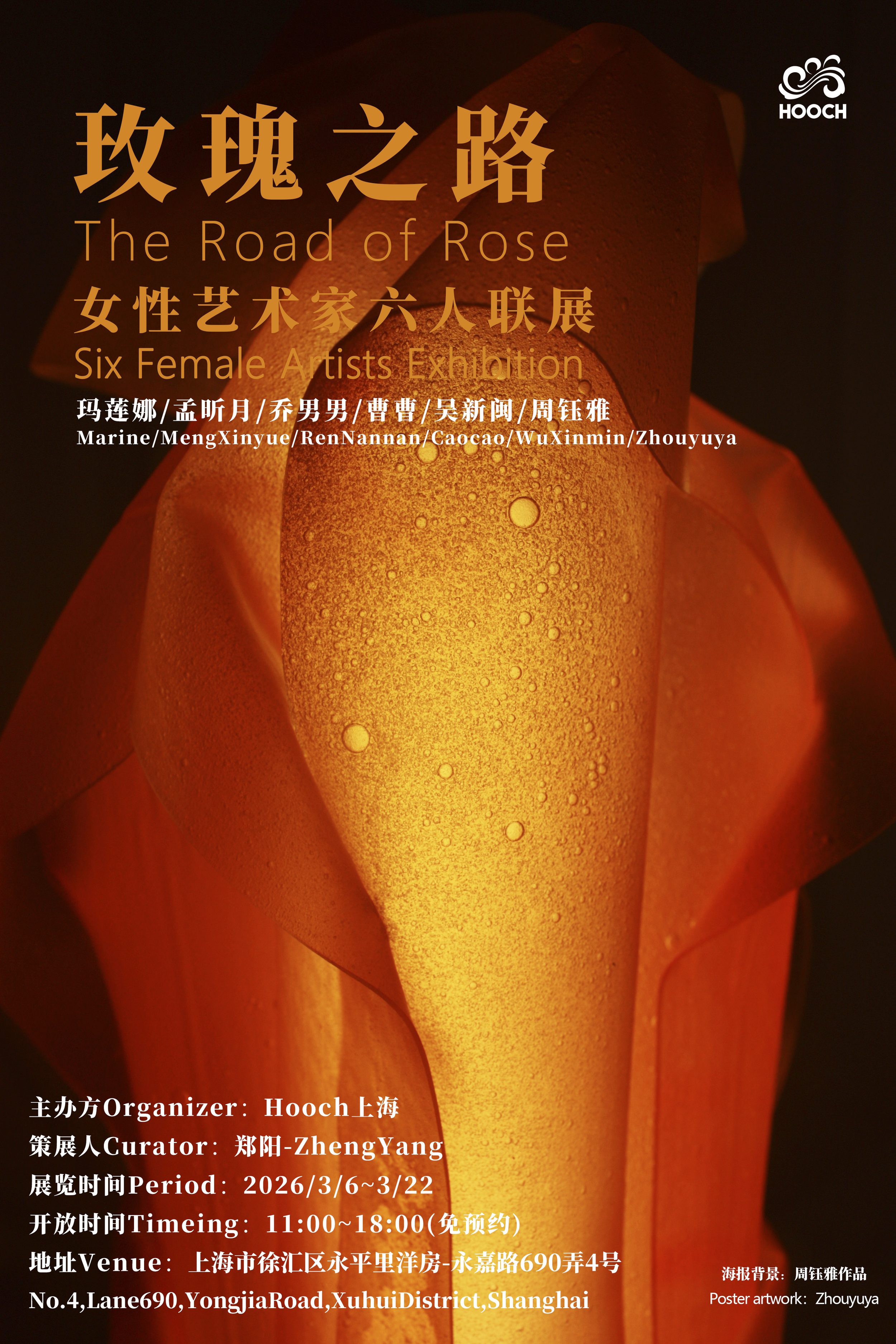
The Road of Rose was not only an exhibition, but a temporary condition — a space where works, bodies, and perceptions intersected.
Within it, light was not simply seen, but felt, interpreted, and shared.
And perhaps, it is within this shared space of perception that the work continues to exist.